































-
3rd Conference on Indoor Air QualityThe third installment of the European cycle of conferences...
-
ICIC27: International Conference on Integrated CareThe International Conference on Integrated Care: “From Integration to...
-
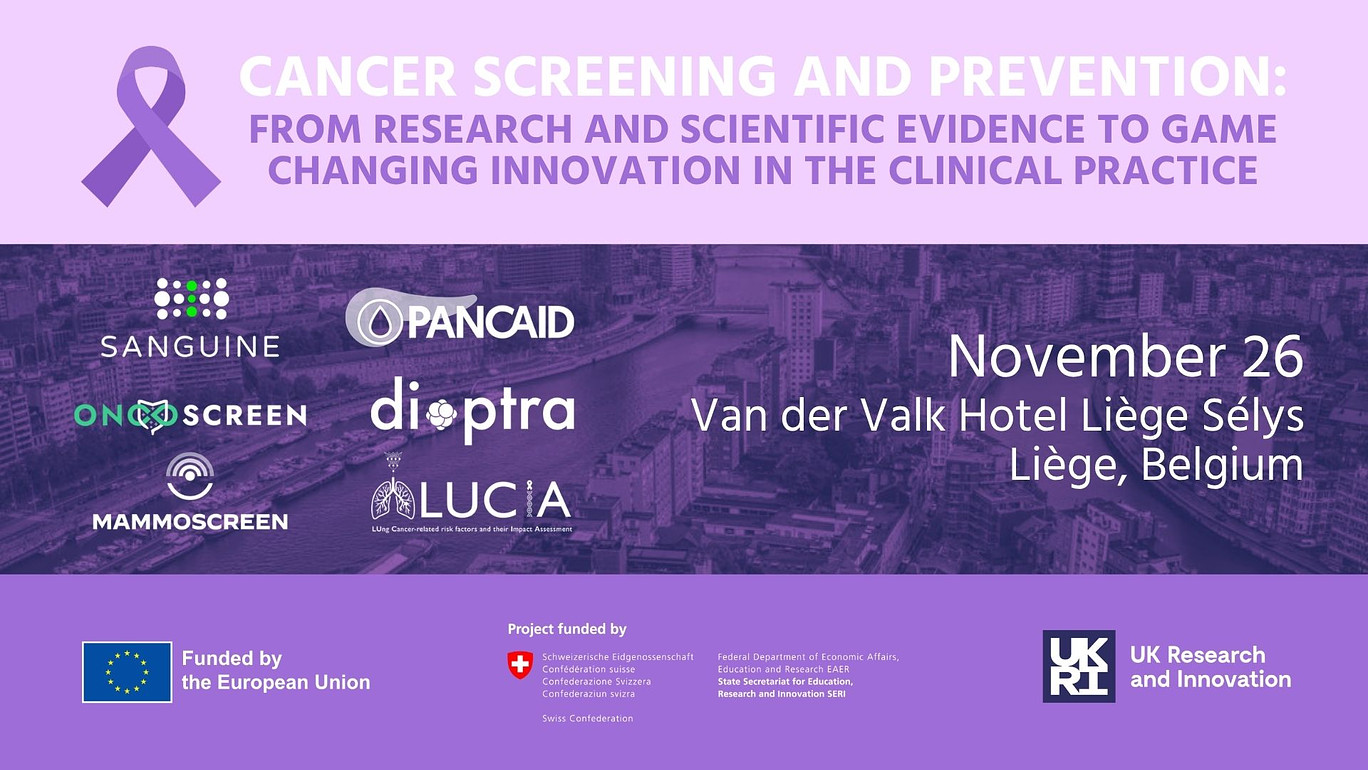
Open Day Event in Liège, Belgium - 26 November 2026What does the future of cancer prevention and early...
Homepage

HEALTH-ER
HEALTH-ER - HEALTHcare cybersecurity framework for Enhanced preparedness and Resilience In January 2025, the European Commission launched an Action... Read MoreDonate Now
HealthIntelAct
HealthIntelAct - Transforming Health and Care Systems for People, Planet, and Prosperity In addressing health risks associated with heatwaves, air... Read MoreDonate Now
healthRiskADAPT
healthRiskADAPT - User-drive Health risk Assessment Services and Innovative ADAPTation options using Threats from Heatwaves Air Pollution, Wildfire... Read MoreDonate Now
EYP
EYP - Empowering Young Patients Empowering Young Patients (EYP) is a 24-month project funded by the Commission's Citizens, Equality, Rights and... Read MoreDonate Now
KEEPCARING
KEEPCARING - Future Proofing Health- and Care Systems Safeguarding Health Care Workers in Hospital Settings The inaugural meeting of the KEEPCARING... Read MoreDonate Now
FLASH
FLASH - FLexible Approaches to Support Health through financing UPDATE Within the project's framework, HOPE co-organized an EUHPP live webinar... Read MoreDonate Now
DIOPTRA
DIOPTRA - Early Dynamic Screening for Colorectal Cancer via novel Protein Biomarkers Reflecting Biological Initiation Mechanisms On 26 January 2023... Read MoreDonate Now
LUCIA
LUCIA - LUng Cancer-related risk factors and their Impact Assessment When drafting and approving the current EU Framework for Research and... Read MoreDonate Now
SAFEST
SAFEST - Improving quality and patient SAFEty in surgical care through STandardisation and harmonisation of perioperative care in... Read MoreDonate Now
RE-SAMPLE
RE-SAMPLE: Revolutionary tailor-made care for complex chronic conditions UPDATE On 17 November 2025, the RE-SAMPLE project held its closing event... Read MoreDonate Now
HOPE Comparative Activities
Europe, Healthcare & Hope
HOPE is representing its members in the European arena covering all policies with an impact on hospitals and health services. HOPE contributes to the legislative agenda but also to the non-legislative activities in particular through participation in European projects and joint actions. Since its creation HOPE has produced comparative information on the ways healthcare systems are organised and financed. It includes as well a unique annual exchange programme for health professionals, together with study tours, workshops and conferences
Next Events
Receive Our Updates
Receive the latest news and updates from the federation, as well as information regarding events and conferences.
Search Among Our Projects
Please fill keywords in text box and select particular Working Area for Eu Projects.